


Bringing village kitchen ideas into a modern home is all about mixing sleek new layouts with warm, timeworn textures. You can blend clean lines with aged brass, matte soapstone, and rustic oak to create a space that feels both fresh and full of history.
Village kitchen ideas for a modern home
Start your design by choosing materials that show natural wear and organic grain. Modern homes often feature smooth drywall and flat panel cabinets, so you need to introduce rougher surfaces to build depth and warmth. Think about how materials like unlacquered brass and handmade zellige tiles can soften a stark white or gray room.
- Swap standard chrome cabinet pulls for unlacquered brass knobs that develop a dark golden patina over time.
- Install open wall shelves made from thick reclaimed pine instead of matching upper cabinets to display everyday mugs and plates.
- Hang a simple linen curtain on a small brass tension rod beneath the sink to hide cleaning supplies with soft texture.
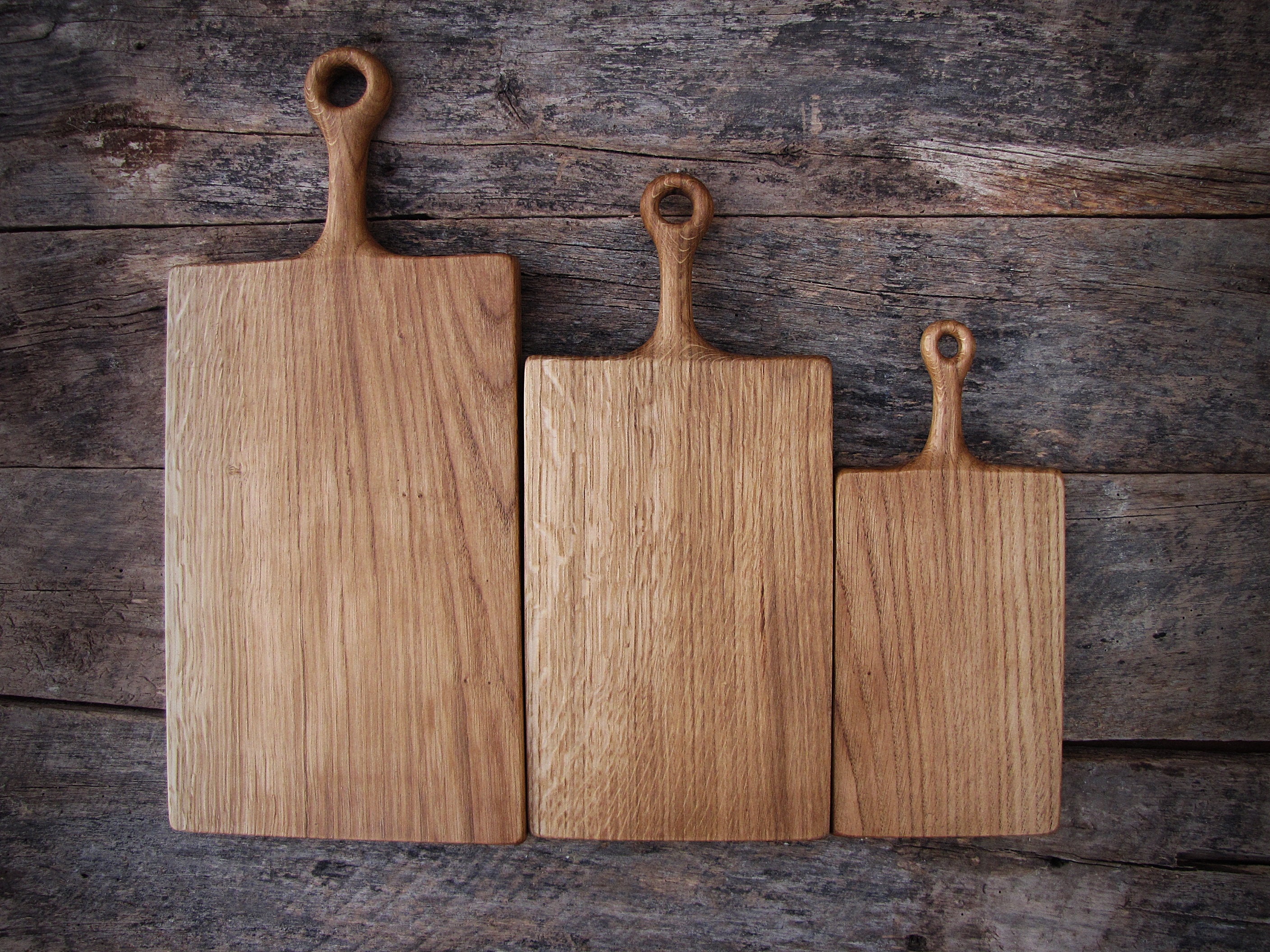
- Place a heavy wood block cutting board against the backsplash to bring instant warmth to plain quartz countertops.
Choose warm earth tones and matte finishes
Color sets the mood for your entire kitchen space. Swap out stark cool whites for creamy chalk tones, muted olive greens, or dusty clay paints that catch the natural daylight. These shades feel traditional and grounded, yet they work wonderfully with modern stainless steel appliances.
Paint your lower cabinets in a deep taupe or muted forest green while keeping the upper walls a soft cream to bounce light around the room. Avoid high gloss paint finishes completely. Instead, use eggshell or satin on woodwork and chalky flat emulsions on walls for a soft, historic feel that looks right at home in a cottagecore inspired interior.
Mix raw wood tones with sleek stone
Contrast is the secret to making a modern kitchen feel like an old English farmhouse. Pair cold, smooth surfaces with rough, organic elements so the eye has plenty of interesting textures to explore. This approach keeps the room from looking too sterile or showroom-perfect.
Choose a honed granite or soapstone for your main countertops instead of a polished marble, as honed stone hides everyday scratches and feels matte to the touch. Bring in a round oak dining table or a freestanding pine work island to break up the run of fitted base units. You can learn more about balancing these architectural elements by studying classic interior design rules for scale and proportion.
Layer vintage accessories and task lighting
Accessories finish the room and make it feel lived in rather than staged. Clear away plastic containers and store your dry goods in heavy glass jars with ceramic lids. Group your wooden spoons in a vintage earthenware crock right next to the stove for easy reach during cooking.
- Mount a swing arm brass wall sconce above the sink to provide warm, focused light for washing dishes at night.
- Display a collection of mismatched white ironstone plates on a plate rack screwed directly into the drywall.
- Lay down a faded vintage wool runner rug in front of the cooker to add pattern and cushion underfoot.
- Keep a cast iron skillet hanging from a simple iron hook on the wall for quick access and rustic visual weight.


0 Comments