


You can pick a kitchen backsplash by matching your counter material to the right tile finish. This guide gives you the exact steps to choose the best tile, color and layout for your space.
How to pick a kitchen backsplash
Start by looking at your current kitchen surfaces, especially the countertops and cabinets. You want your tile choice to fit the existing finishes without making the room feel too busy.
- Check your countertop pattern and color to see if it is busy or plain.
- Look at your cabinet paint or wood stain in natural daylight.
- Measure the wall space between your lower cabinets and upper cabinets.
- Decide if you want the wall tiles to be the main focus of the room.
Next, you need to choose the material for your walls. Different materials change how easy the space is to clean after cooking messy meals.
Ceramic and porcelain tiles are durable, affordable and wipe clean in thirty seconds with warm water and soap. Glass tiles reflect light to make a small room feel larger, while natural stone tiles like marble bring rich texture but need a protective sealer applied every twelve months to stop stains.
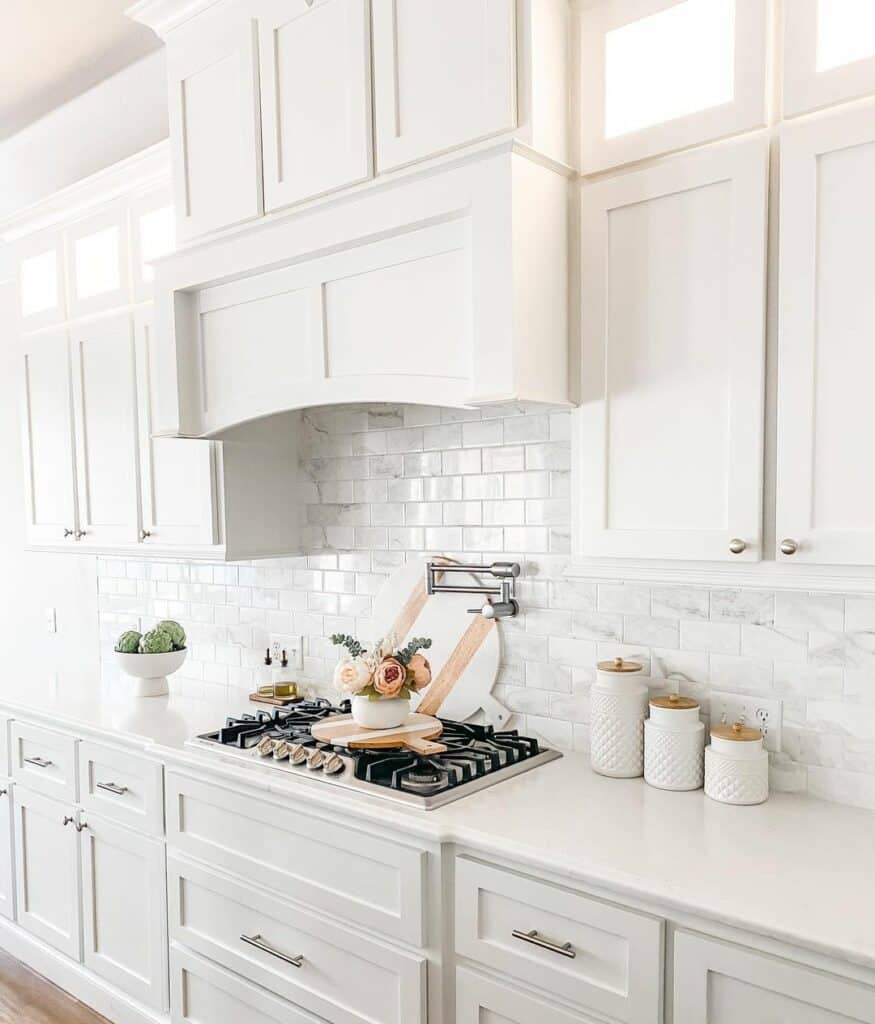
Choose your tile shape and color
The shape of your tile changes the entire mood of the room. Traditional shapes feel timeless, while modern cuts add a fresh look.
- Pick classic rectangular subway tiles for a clean and simple look.
- Choose handmade zellige tiles for a soft, wavy texture with earthy warmth.
- Select large format square tiles to reduce grout lines and speed up cleaning.
- Try herringbone or chevron layouts for a bold pattern that draws the eye.
Color is just as important as shape when planning your kitchen upgrade. Think about how the light hits the walls at different times of the day.
Light neutral colors like soft cream, warm beige or crisp white keep the space feeling open and airy. Dark colors like charcoal grey, deep navy blue or forest green add dramatic contrast against brass hardware and natural wood cabinets.
Pick your grout color and finish
Grout is not just a filler, it acts as a design element that frames every single piece of tile. You must pick your grout color at the same time you buy your tiles.
- Match the grout to the tile color for a seamless, continuous wall surface.
- Use a dark grey grout with white tiles to hide future stains and add definition.
- Choose an epoxy grout formula for areas behind the stove to resist grease.
- Ask your tile setter for a tight one sixteenth inch joint for a modern finish.
Think about how the finish of the grout and tile will hold up to daily kitchen splashes. A matte sealer protects porous grout lines from tomato sauce and oil splatters during your evening cooking routine.
Taking time on these details ensures your room looks finished and professional. You can read more about interior design principles to help tie your whole home together.
Calculate your budget and materials
Before you buy anything, you need to calculate the exact square footage of your walls. Measure the width and height of every section you plan to tile.
- Multiply the width by the height of each section to get the total square footage.
- Add ten percent extra material to your total order to cover cuts and broken pieces.
- Buy your adhesive, spacers, trowels and grout sealer on your first shopping trip.
- Set aside a full weekend for the installation process from start to finish.
Once your materials arrive, let them sit in the room for twenty four hours to adjust to the temperature. This preparation prevents the tiles from shifting after you press them into the wall adhesive.
When you finish grouting, let it cure for forty eight hours before wiping away any remaining haze with a dry microfiber cloth. Your new wall finish will stay bright and clean for years with basic weekly maintenance.


0 Comments